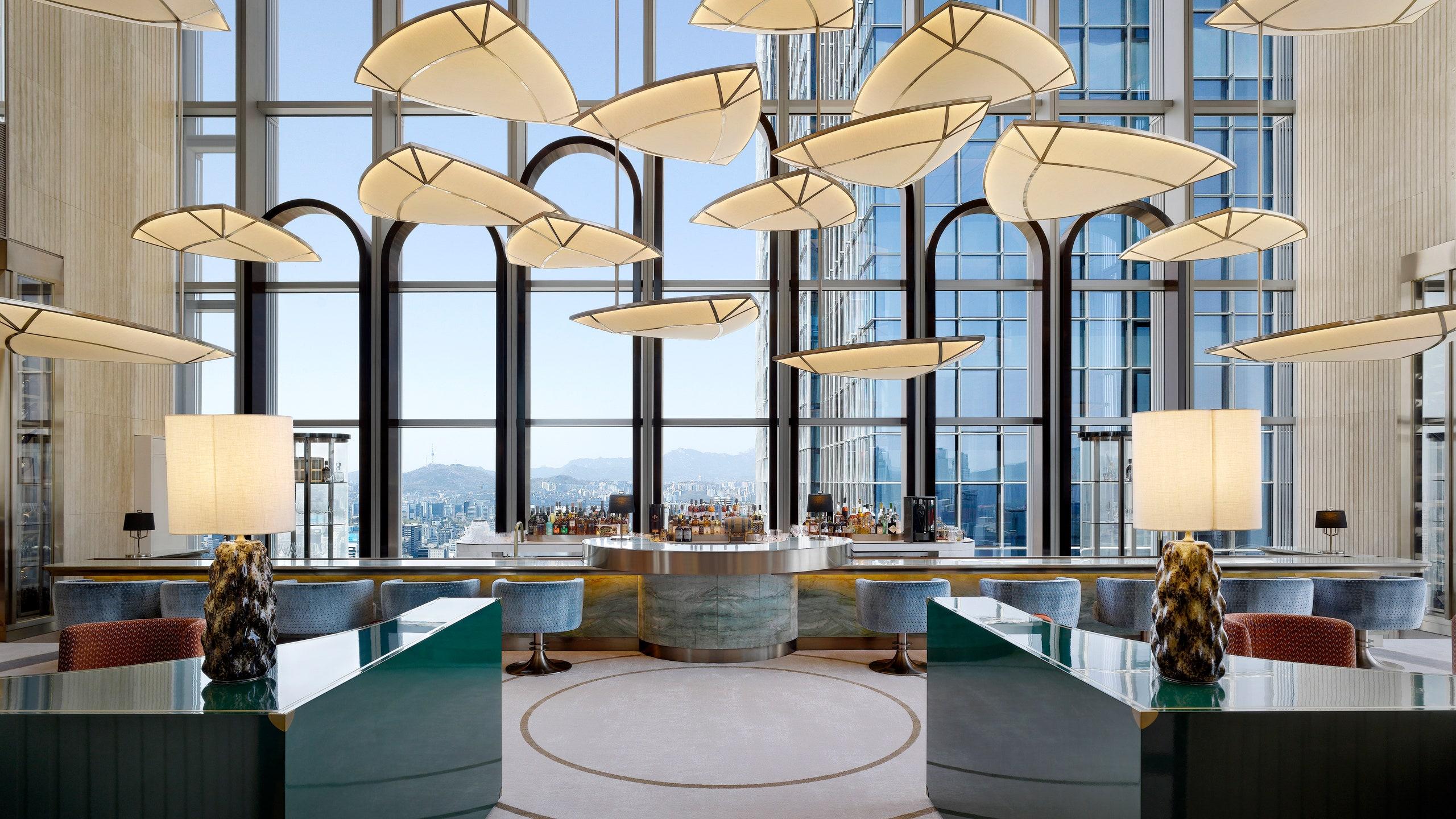
Hotel architecture has witnessed significant transformations throughout history. From ancient civilizations to modern times, the design of hotels has continuously adapted to meet the changing needs and preferences of travelers. Today, we are on the brink of a new era in hotel architecture, where innovative concepts and cutting-edge technologies are shaping the future of the industry.
Architectural Influences through the Ages
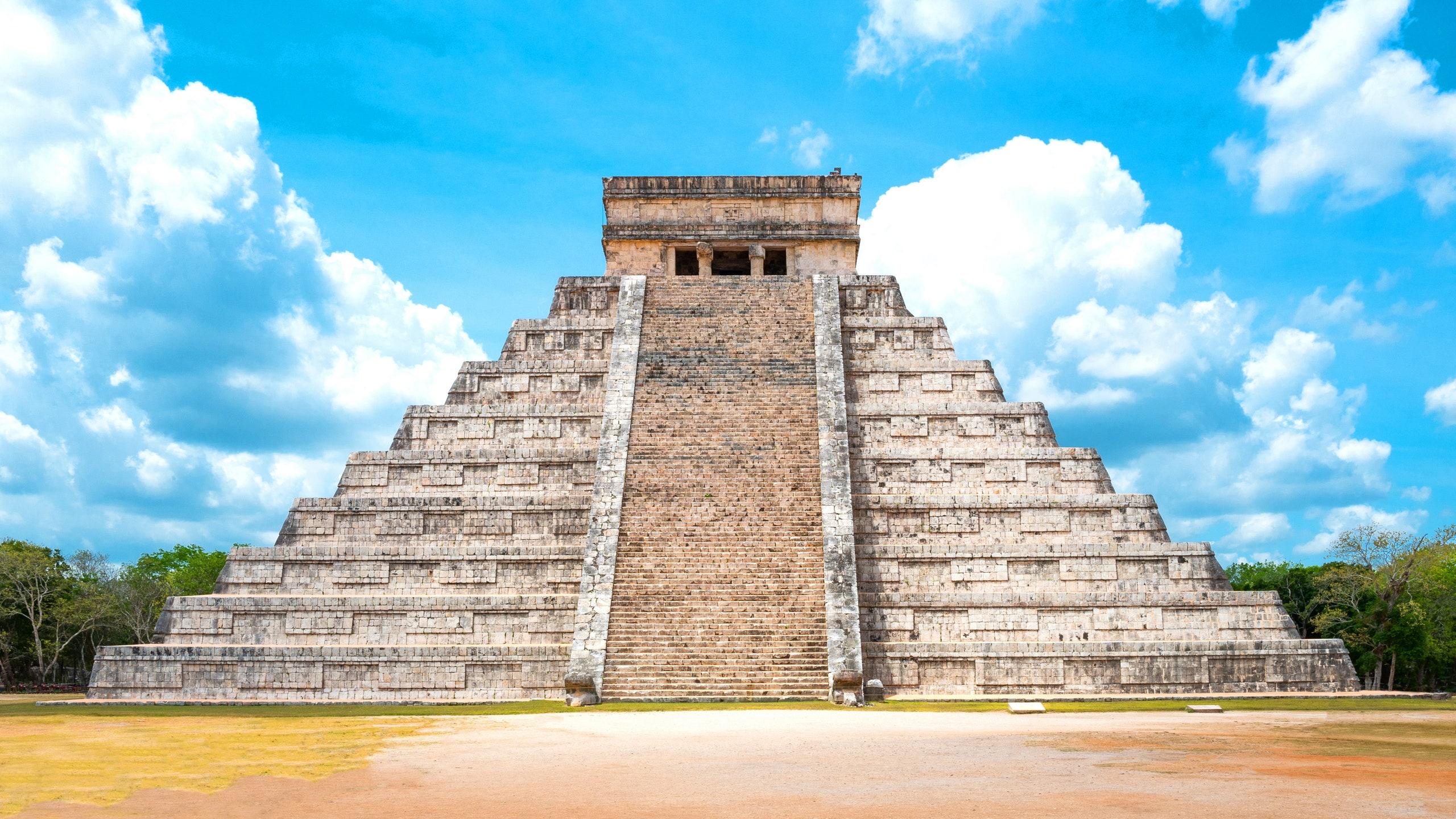
Looking back, it is fascinating to see how different cultures and periods have influenced the architecture of hotels. The renowned Pyramids of Egypt, for instance, served as lodging for pharaohs and members of the elite. These ancient wonders showcase the grandeur and opulence that were characteristic of the era.
In ancient Greece and Rome, the concept of the public bathhouse emerged, and with it, the first hotels catering to travelers. These establishments provided basic accommodations and communal bathing facilities. Roman villas were also popular, combining residential areas with guest quarters.
During the Middle Ages, castles and monasteries often offered lodging to pilgrims and knights. These structures featured fortified walls, impressive towers, and spacious halls. The architecture conveyed a sense of security and reflected the power and prestige of their owners.
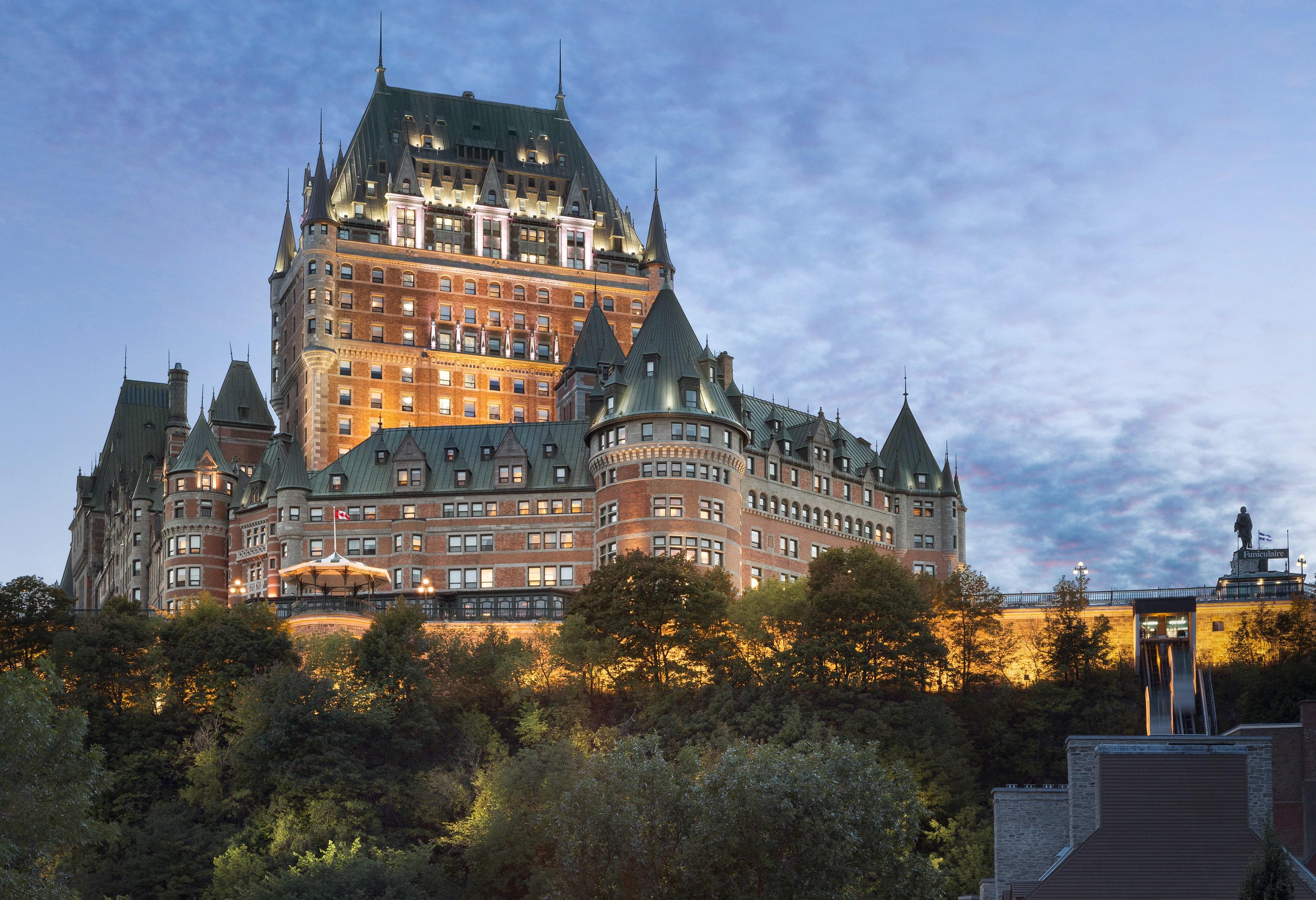
In the Renaissance period, luxury hotels began to gain prominence. Palatial estates and mansions were transformed into exclusive accommodations for wealthy travelers. Elaborate decorations, intricate details, and lush gardens became defining features of these opulent hotels.
Modern Trends and Innovations
As we fast-forward to the present, we can observe several trends and innovations that are shaping the future of hotel architecture.
Sustainability and Eco-Friendliness
With growing environmental awareness, hotels are increasingly incorporating sustainable design practices. Green roofs, energy-efficient systems, and the use of recycled materials are becoming common features in eco-friendly hotels. The integration of renewable energy sources, such as solar panels, is also gaining popularity.
Integration of Technology
The rapid advancement of technology has revolutionized the hotel industry. Smart rooms equipped with automated features allow guests to control lighting, temperature, and entertainment systems with a single touch. Virtual reality (VR) and augmented reality (AR) are also being explored to enhance the guest experience and showcase virtual design concepts.
Inspired by Nature
Hotels are increasingly blurring the lines between indoor and outdoor spaces to create immersive experiences for guests. Biophilic design principles, incorporating natural elements like living walls, water features, and expansive windows, promote well-being and connect guests with their surroundings.
The Future Landscape
The future of hotel architecture holds endless possibilities. As urbanization continues to rise, architects are challenged to maximize available space and embrace verticality. Creative solutions, such as vertical gardens, rooftop terraces, and sky-high swimming pools, are becoming iconic features of modern hotel designs.
With the advent of sustainable materials and construction techniques, hotels of the future may showcase organic shapes, modular designs, and adaptability. The integration of artificial intelligence (AI) and robotics may also revolutionize guest services, providing personalized experiences and efficient operations.
The evolution of hotel architecture reflects the ever-changing needs and desires of the modern traveler. As the industry continues to evolve, hotels will become more than just places to stay; they will be immersive destinations, blending innovative design, technology, and sustainability. So, whether you are looking to relax in a nature-inspired retreat or embrace the futuristic allure of a smart hotel, the future of hotel architecture promises an exciting and unforgettable experience.
In conclusion, the trajectory of hotel architecture has been marked by a fascinating journey through different cultures, periods, and styles. From ancient wonders to modern marvels, hotels have always mirrored the spirit of their times. As hotels continue to push boundaries and redefine what is possible, the future holds immense potential for innovative designs that delight and inspire travelers from around the world.
Wembley
Birmingham
- Hotels Birmingham Airport
- Hotels Near Birmingham Nec
- Birmingham International Hotels
- Hotels Birmingham Nec