Introduction
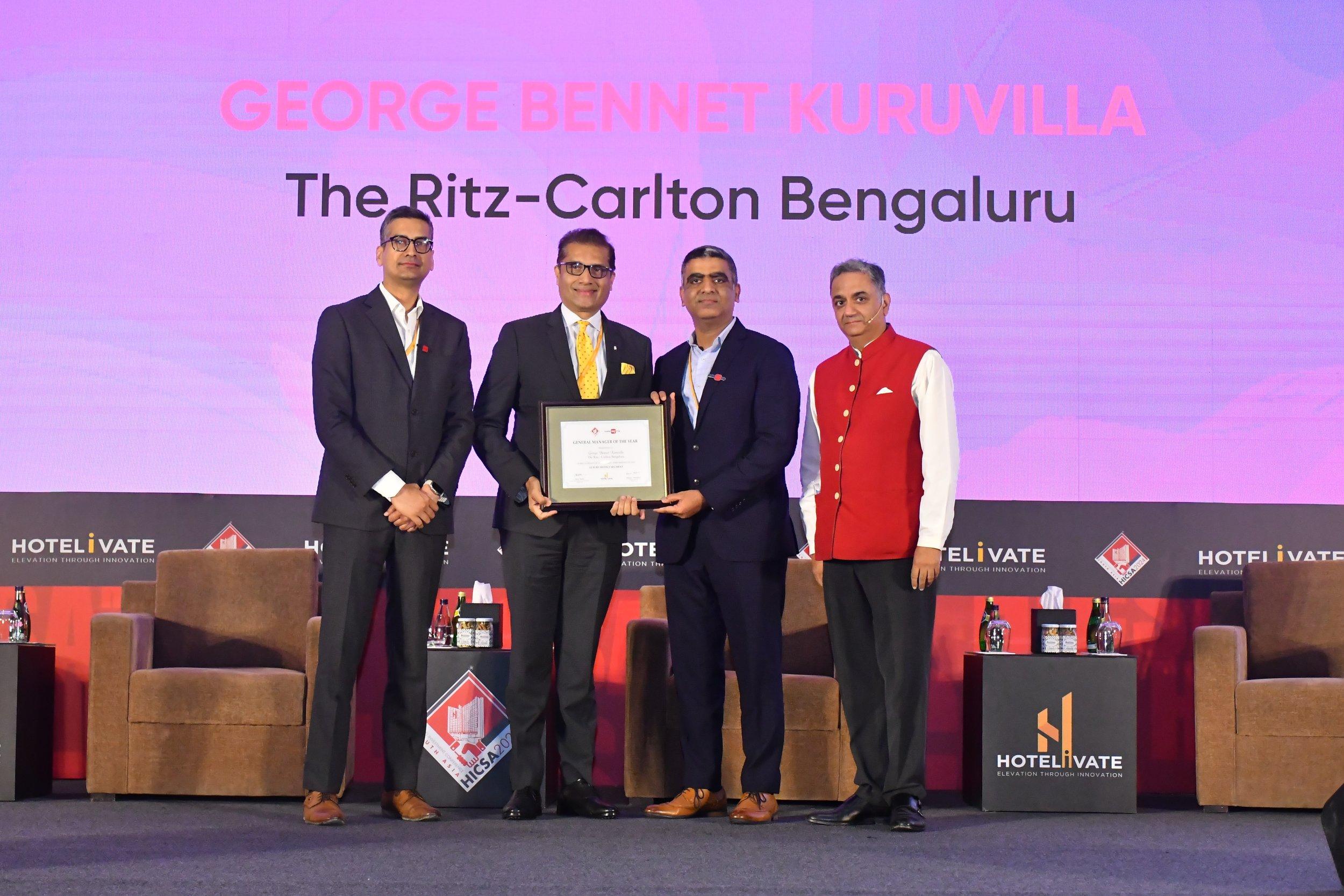
In the realm of hotel management, there are various factors that shape the functioning and operations of these establishments. One often overlooked aspect is the influence of ideology on hotel management. This article explores the way ideology can impact the management of hotels and sheds light on the theories of prominent philosophers Louis Althusser and Michel Foucault.
Understanding Ideology
Ideology can be defined as a set of beliefs, values, and assumptions that guide the actions and decisions of individuals within a society. It shapes their worldview and influences their perceptions of reality. According to Louis Althusser, ideology is not only present in political and social institutions but also in everyday practices and rituals that maintain and reproduce social relations.
Althusser introduces the concept of ideological state apparatuses (ISAs), which encompass various institutions such as schools, religious organizations, and the media. These ISAs disseminate ideology and shape individuals' beliefs and behaviors. In the context of hotels, the management's ideology, as well as the ideologies of the staff, can significantly impact the overall guest experience.
The Power of Ideological State Apparatuses
According to Althusser, ideological state apparatuses play a crucial role in the reproduction of social relations and the maintenance of power structures. In the hotel industry, management practices, policies, and training programs can be seen as ISAs that embody specific ideologies. For instance, a hotel that prioritizes customer satisfaction and adopts a guest-centric approach reflects an ideology centered around providing exceptional service.
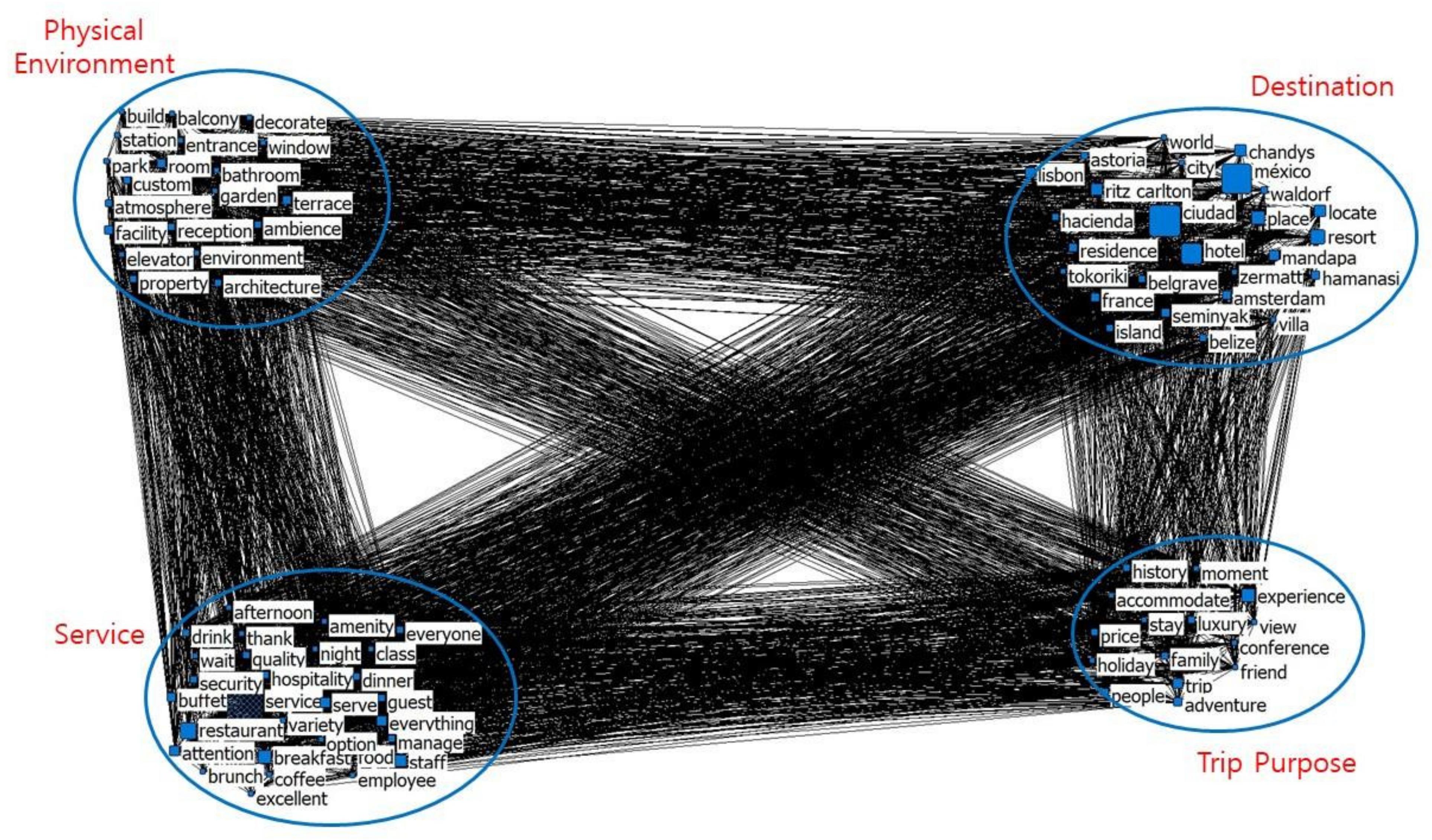
Moreover, the ideologies held by hotel staff members, influenced by their backgrounds and beliefs, can impact the way they interact with guests and perform their duties. The manner in which employees are trained, the values that are instilled within them, and the hierarchical structures in place contribute to the overall ideological landscape of a hotel.
Disciplinary Power and Hotel Management
Michel Foucault's work on disciplinary power is also relevant to the context of hotel management. According to Foucault, discipline seeks to regulate and control individuals through various techniques and mechanisms. In the hotel industry, this discipline can manifest in the form of strict procedures, standardized protocols, and surveillance systems.
Hotels utilize disciplinary power to ensure efficient operations and maintain high service standards. The hierarchical structure within hotels reflects this power dynamic, where managers hold authority over employees and guests are expected to adhere to certain rules and regulations.
The Synthesis of Ideology and Hotel Management
Considering the influence of ideology on hotel management, it becomes crucial for hoteliers to be aware of the ideologies they embody and the impact these ideologies have on the guest experience. A hotel's ideology should align with its target market and desired positioning. Understanding the power dynamics and the disciplinary measures in place can help hotel managers create an environment that fosters guest satisfaction while also meeting operational goals.

By recognizing the role of ideology, hotel managers can better understand the underlying values, assumptions, and beliefs that shape their organization. This awareness enables them to make informed decisions that align with the overall goals and objectives of the hotel.
Conclusion
The influence of ideology on hotel management is a lens through which we can analyze the policies, practices, and power dynamics that exist within the industry. Taking inspiration from philosophical theories, such as those presented by Louis Althusser and Michel Foucault, hoteliers can gain a deeper understanding of the impact of ideology on their organization. By consciously shaping their ideologies, hotel managers can create an environment that not only meets the needs of their guests but also aligns with their overall vision and objectives.
Ultimately, the recognition of ideology's influence on hotel management can lead to a more harmonious and successful hospitality business.
References:
- Althusser, Louis. “Ideology and Ideological State Apparatus.” 1969-70.
- Foucault, Michel. "The Order of Things.” Michel Foucault. Natural Thinker.
Hotels play a crucial role in the hospitality industry, where providing exceptional service and a memorable guest experience are paramount. By analyzing the influence of ideology in hotel management, we can gain valuable insights into the underlying dynamics that shape these establishments. From the ideologies embedded in management practices to the disciplinary power at play, the impact of ideology permeates every aspect of hotel operations. Understanding and aligning with the right ideologies can help hotels create a harmonious environment that meets the needs of both guests and personnel alike.
Wembley
Birmingham
- Hotels Birmingham Airport
- Hotels Near Birmingham Nec
- Birmingham International Hotels
- Hotels Birmingham Nec