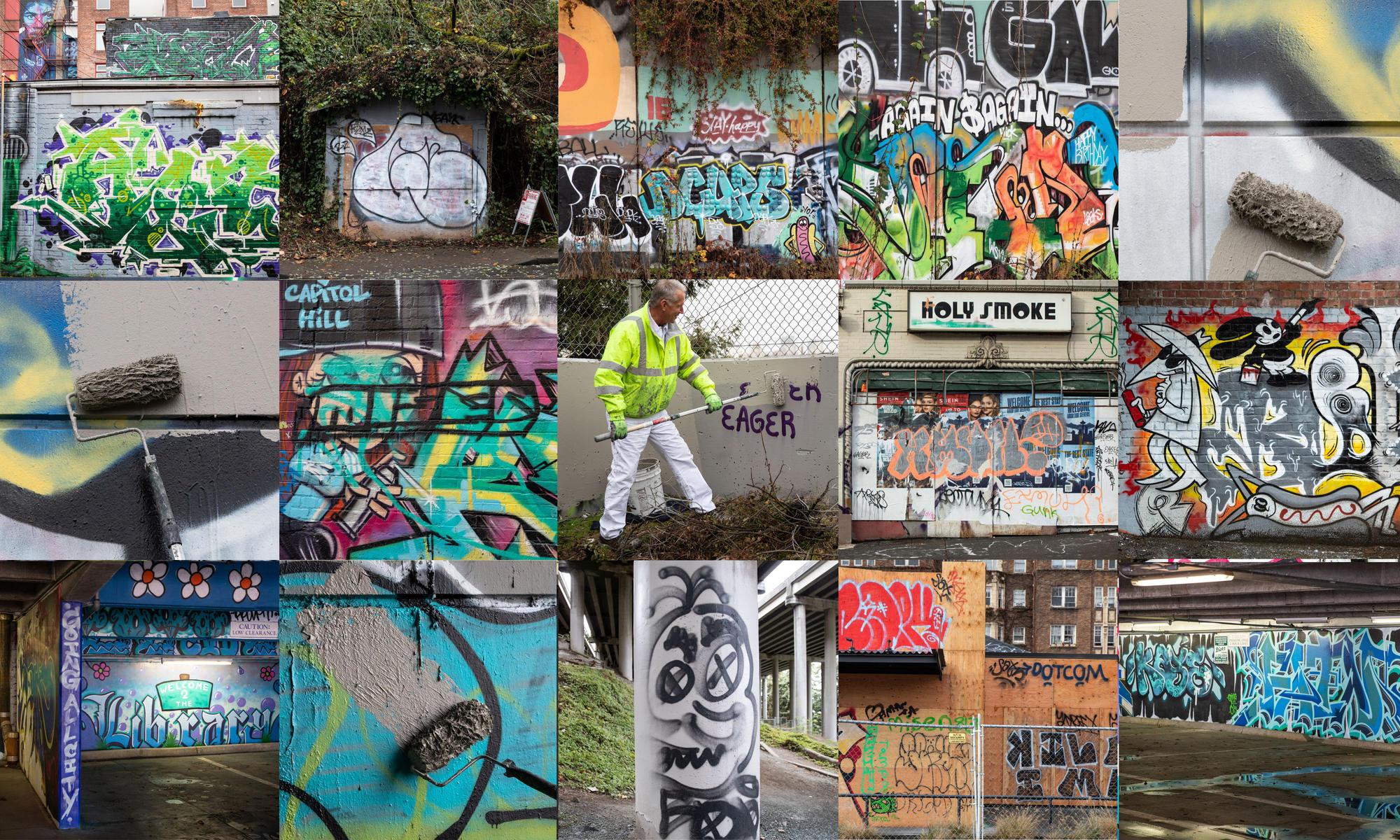
Art has always been a subject open to interpretation, sparking conversations and debates among viewers. However, there are instances where the interpretation of art can be problematic, leading to controversy and even accusations of racism. One such example is the lugubrious echo of a colonial discourse that reduced Africans to sexual objects, evoking both fascination and fear.
The Artist's Intentions
When an artist creates a piece of artwork, their intentions may not always align with how it is perceived by the audience. In some cases, a work of art that was not intended to be racist or offensive can be seen in that light by some viewers. This disconnect between intent and interpretation can lead to a problematic reception and discussion surrounding the artwork.
Racist Interpretations
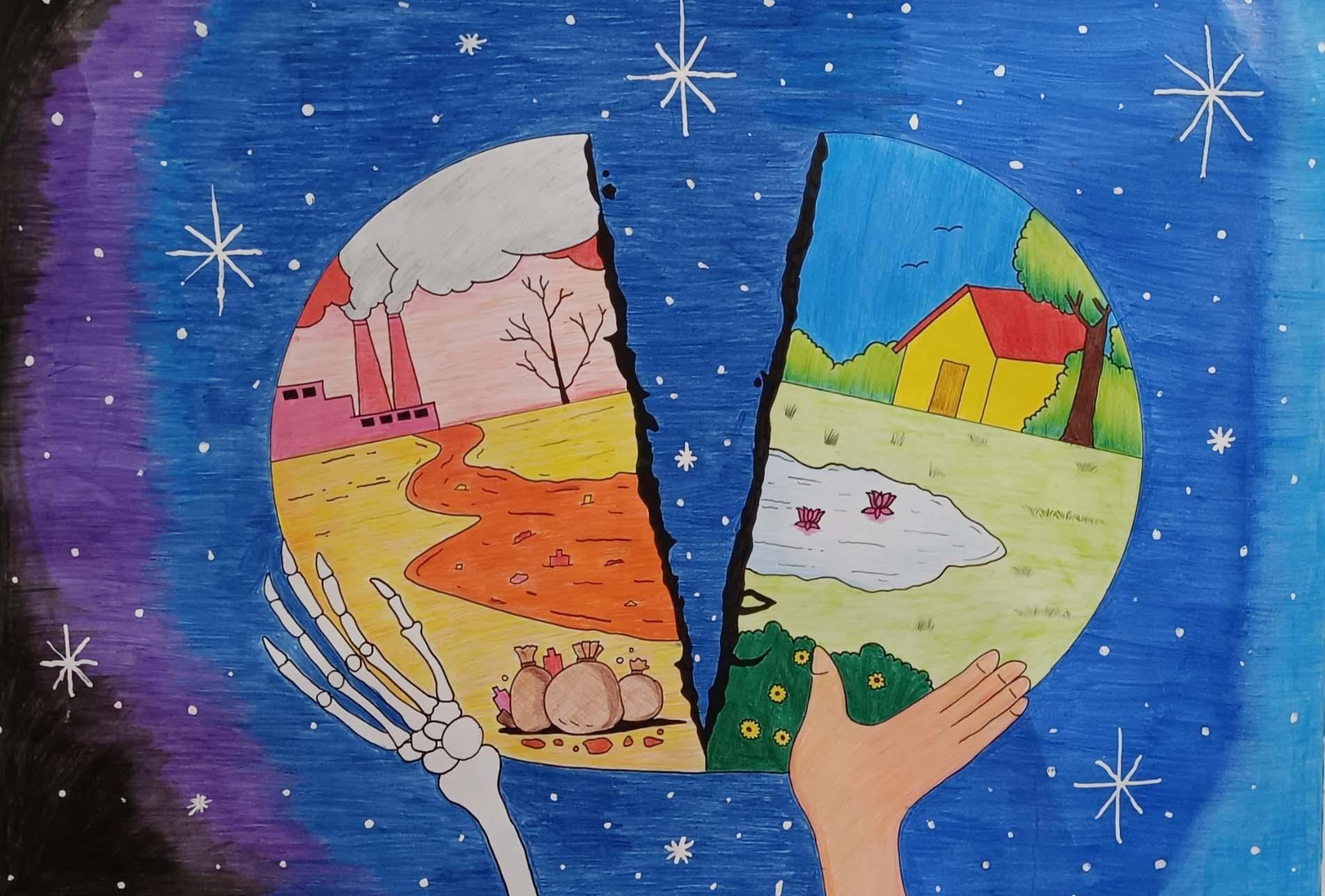
Art that has the potential to be interpreted as racist is often a result of historical context, stereotypes, and personal biases. The fear and fascination associated with colonial discourses have long affected the portrayal of Africans in art, unfortunately reducing them to mere sexual objects. The impact of such interpretations can be damaging and perpetuate harmful stereotypes.
Engaging in Critical Dialogue
It is imperative to engage in critical dialogue when faced with problematic interpretations of art. This involves examining the historical context, understanding the artist's intent, and considering the biases that may influence our own interpretations. By fostering open and respectful discussions, we can challenge the problematic aspects of art and promote a more inclusive understanding.
The Importance of Context
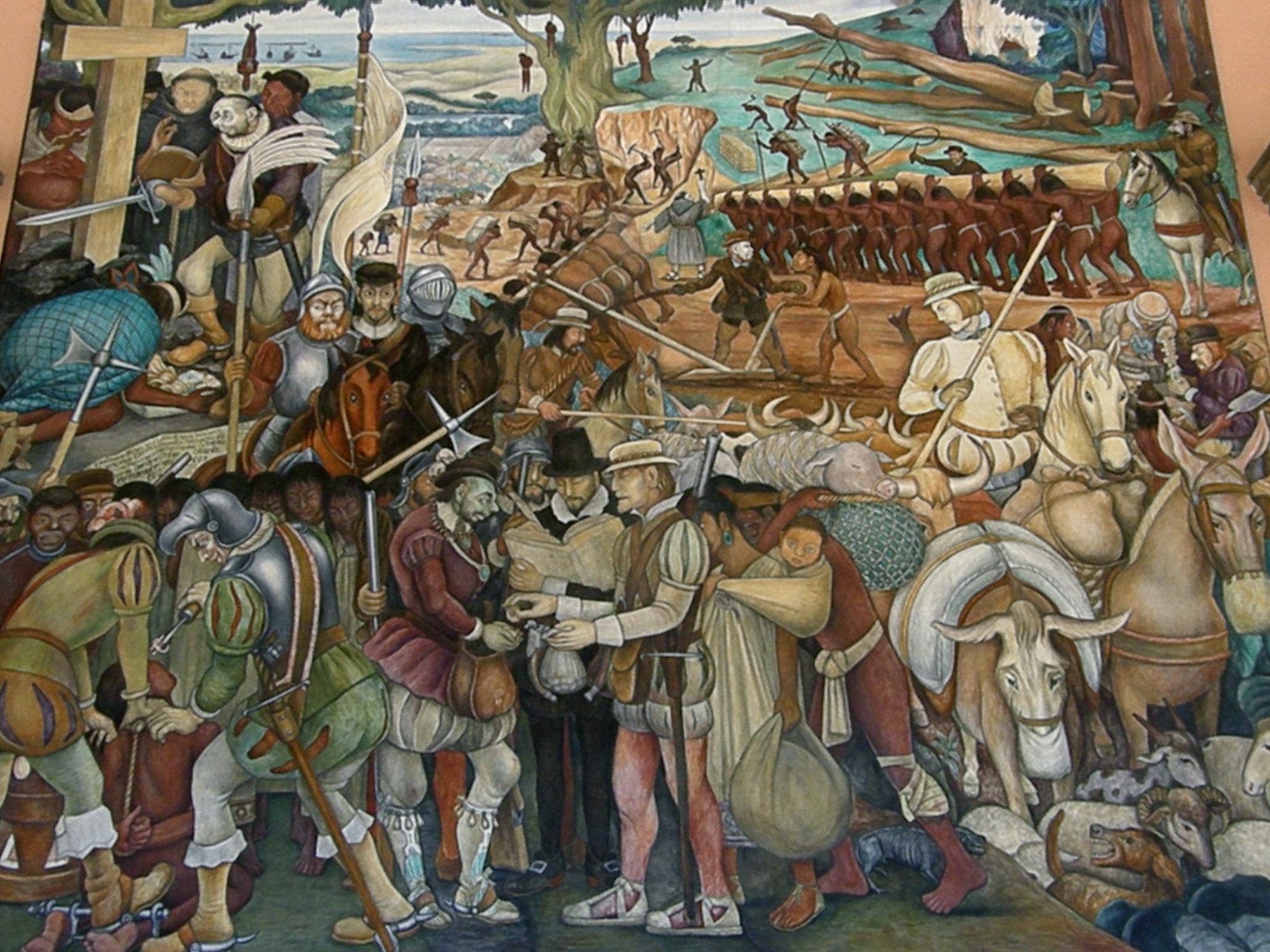
Context plays a crucial role in understanding and interpreting art in a nuanced manner. Without proper context, art can easily be misinterpreted or reduced to simplistic, offensive meanings. The colonial history and the subsequent objectification of Africans must be considered when analyzing artworks that depict individuals of African descent. By acknowledging the impact of historical context, we can avoid perpetuating harmful narratives.
Hotels: A Tangential Connection
While this article focuses on the problematic nature of interpretation in art, it is worth mentioning the connection to hotels. Hotels, much like art, can be subject to different interpretations based on an individual's perception and experiences. The way a hotel is designed, decorated, or portrayed in marketing materials can evoke various cultural, social, and historical connotations. Just as art can be negatively interpreted, hotels can also be scrutinized for potentially perpetuating stereotypes or promoting insensitive narratives.
In conclusion, the interpretation of art can be a complex and fraught process. Artworks that inadvertently invite racist interpretations have the potential to perpetuate harmful stereotypes and narratives. It is essential to engage in critical dialogue, consider historical context, and challenge our own biases when interpreting art. Similarly, the portrayal of hotels can also evoke different reactions based on personal experiences and cultural sensitivities. By navigating these contexts with respect and open-mindedness, we can foster a more inclusive understanding of art and the spaces we occupy.
Wembley
Birmingham
- Hotels Birmingham Airport
- Hotels Near Birmingham Nec
- Birmingham International Hotels
- Hotels Birmingham Nec