Introduction

In Michel Foucault's seminal work "The Subject and Power" published in 1982, he delves into the intricate relationship between power and freedom. Foucault argues that freedom not only exists within power structures but also operates within them. This article will explore Foucault's theory and its implications in the contemporary world.
Understanding Foucault's Theory
According to Foucault, power is not solely repressive but also productive. He challenges the traditional notion that power is purely oppressive and argues that it operates in a complex web of relationships and discourses. Foucault suggests that power is not something possessed or held by individuals or institutions, but rather a dynamic force that circulates and permeates all aspects of society.
Transformation and Displacement

Foucault's theory emphasizes the inherent instability and fluidity of power. He asserts that power is not fixed but rather constantly changing, transforming, and shifting between different agents and structures. Power relations are not static entities, but rather a continuous process of negotiation and contestation.
The Hotel Analogy
To illustrate this theory, consider the analogy of a hotel. In a hotel, power is not solely held by the management or the guests. Instead, power is dispersed among various actors such as staff, guests, and even the physical layout of the building itself. The hotel operates as a microcosm of society, where power relations manifest in the interactions and dynamics between different individuals and groups.
Power Dynamics within a Hotel
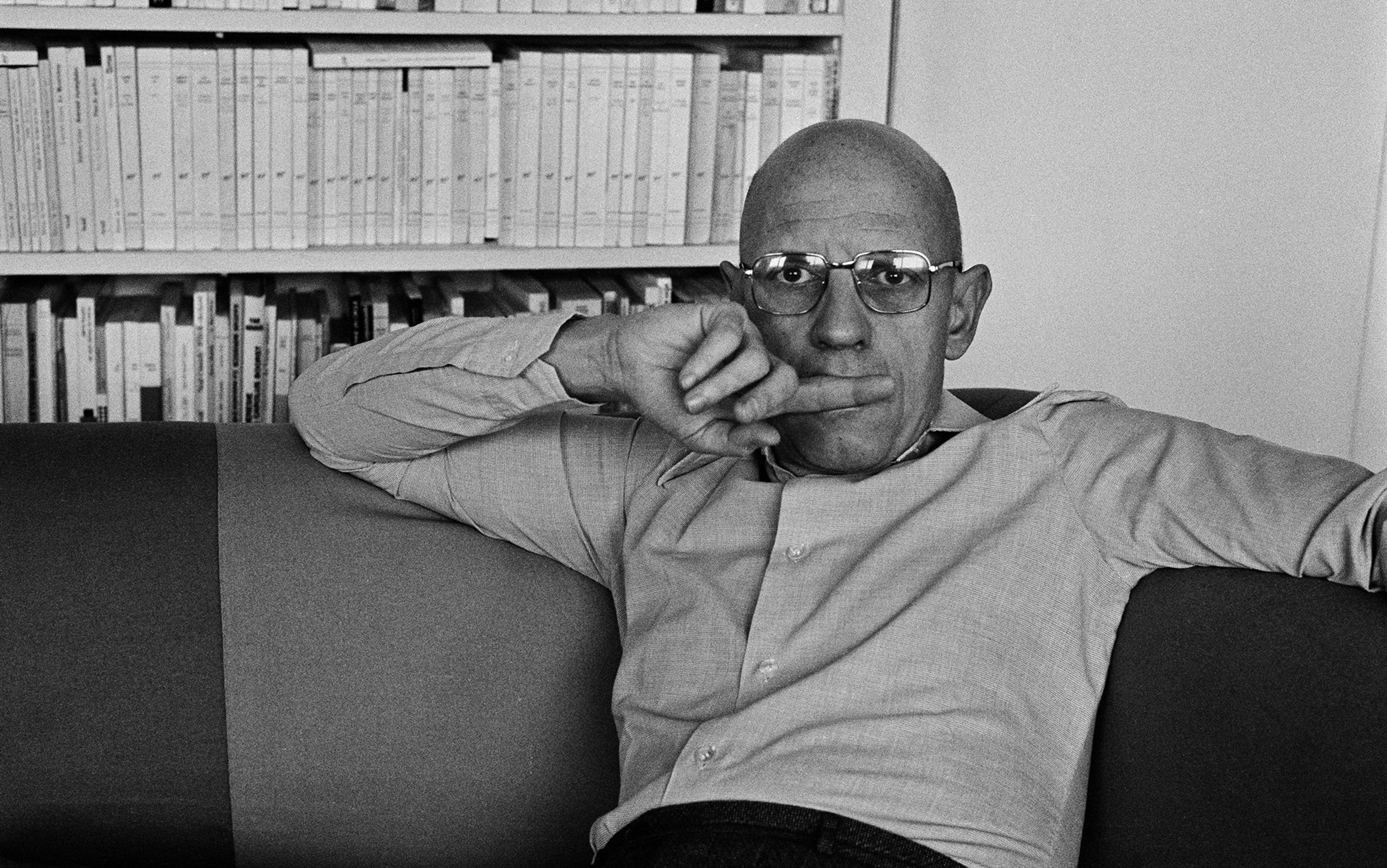
Within a hotel, power dynamics can be observed in multiple ways. For instance, the management holds power through their authority in setting rules, policies, and controlling the overall functioning of the establishment. On the other hand, the guests exert power through their demands, choices, and ability to give feedback. The staff, representing another layer of power, exercise authority in providing services, enforcing rules, and maintaining order.
Freedom-Within-Power
Contrary to the notion that power restricts freedom, Foucault argues that freedom operates within power itself. He suggests that individuals can exercise agency and navigate within power structures to shape their own actions and choices. Although power may impose limitations, it also provides opportunities for resistance, negotiation, and transformation.
In conclusion, Foucault's theory of power and freedom unveils the intricate relationship between these concepts. Understanding that power is not a one-dimensional oppressive force, but rather a complex network of relationships, allows for a nuanced exploration of power dynamics in society. By recognizing the presence of freedom within power, individuals can harness agency and challenge existing power structures to bring about meaningful change.
Wembley
Birmingham
- Hotels Birmingham Airport
- Hotels Near Birmingham Nec
- Birmingham International Hotels
- Hotels Birmingham Nec