Introduction
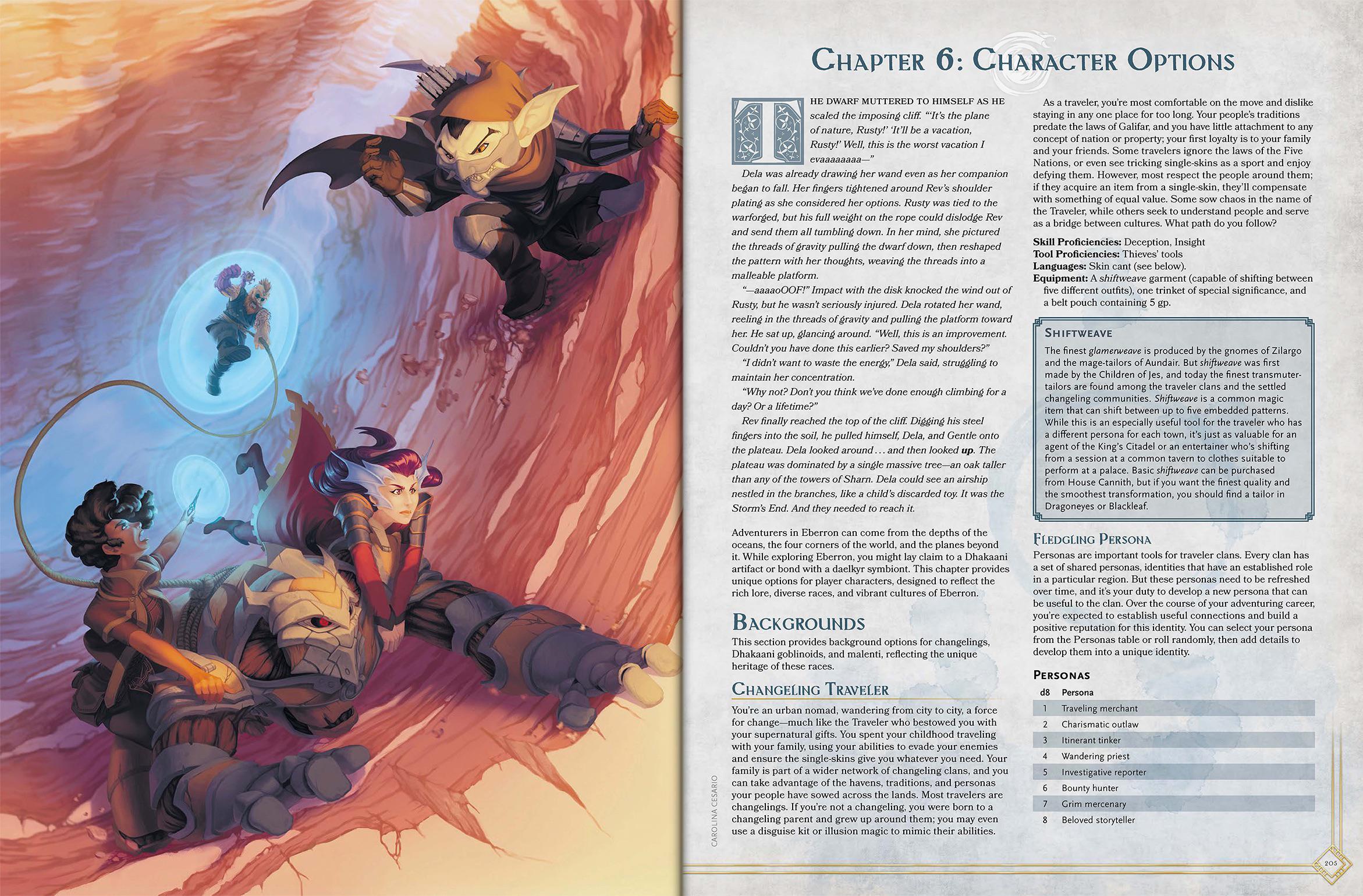
In the world of fantasy role-playing games, the Player's Handbook (PHB) serves as a quintessential guide for players to navigate and immerse themselves in fantastical realms. However, beyond providing rules and mechanics, the character typographies presented within the PHB offer much more. These typographies can be seen as "recipes for wise living," as defined by Kenneth Burke, comprising moral and technical aspects that shape the experiences of players within these fantasy worlds.
Understanding the Typographies
Typographies, in the context of the PHB, refer to the diverse array of character archetypes and classes available to players. Each typography represents a unique set of abilities, skills, and perspectives that players can adopt when creating their fictional characters. These character typographies serve as frameworks for players to understand their roles within the game and provide a basis for developing stories, making choices, and interacting with the game world.
Moral Recipes for Wise Living
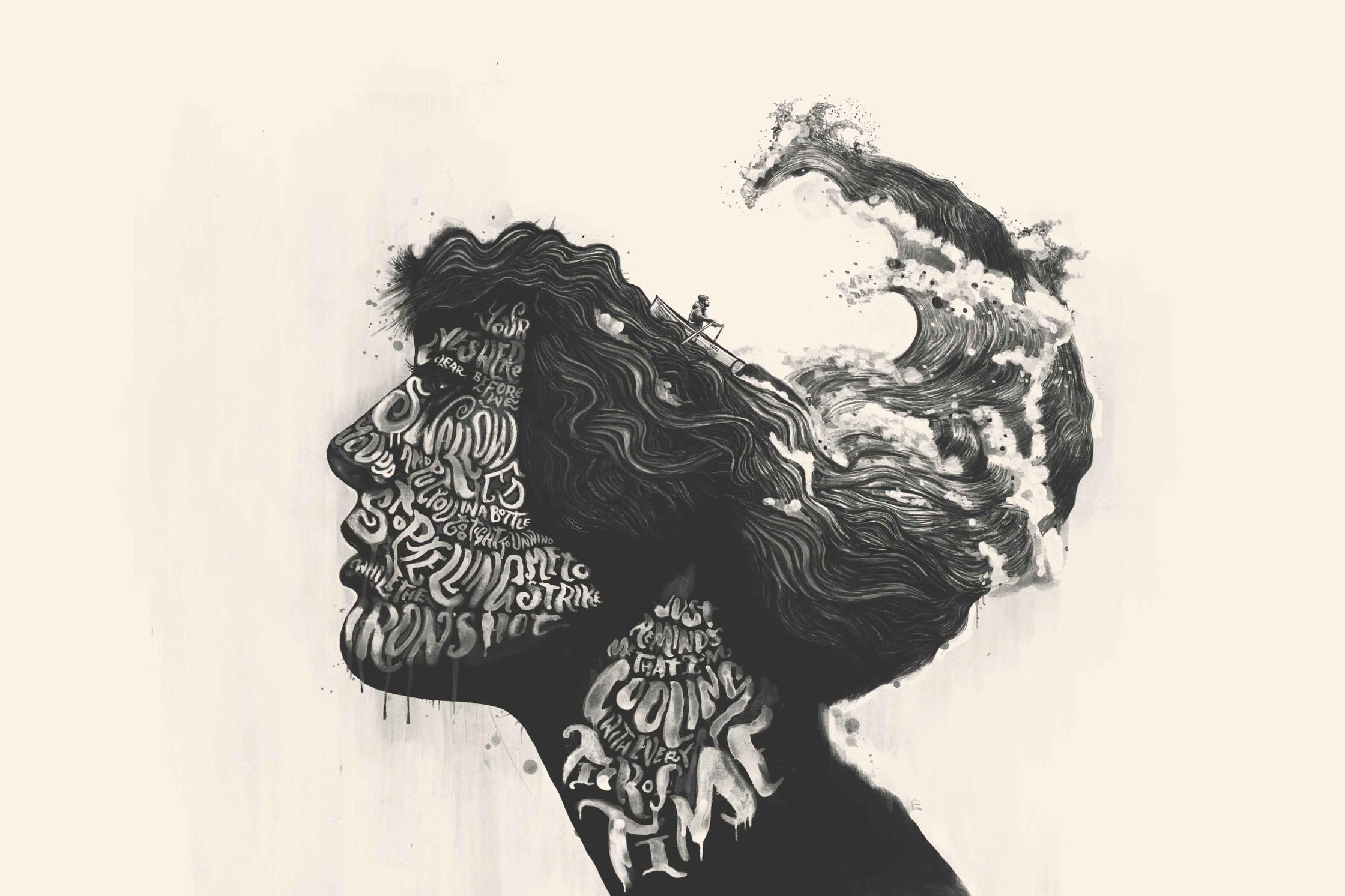
Within the PHB, the character typographies often possess moral dimensions. For example, a paladin typology may emphasize principles of honor, chivalry, and an unwavering dedication to justice. This typology presents players with a recipe that encourages benevolence and righteousness, promoting the ideal of a virtuous hero. Similarly, typographies like the rogue or the bard may offer complex paths, allowing players to explore moral ambiguity, cunning, or artistic expression.
Technical Recipes for Wise Living
Besides their moral undertones, the character typographies in the PHB also provide technical recipes for wise living. These typographies present players with a toolkit of skills and abilities that allow them to overcome challenges and achieve success within the game. A wizard's typology, for instance, focuses on arcane knowledge and spellcasting, providing players with the opportunity to delve into the intricate world of magic and problem-solving through intellect and strategy. The fighter typology, on the other hand, emphasizes physical prowess, combat expertise, and tactical decision-making.
Burke's Insight into Recipes for Wise Living

The idea of recipes for living originated from the analysis of proverbs, a sociological and rhetorical study conducted by Kenneth Burke. Burke recognized that proverbs served as concise and influential guidelines for human behavior, encapsulating wisdom and moral values. This concept can be extended to the character typographies within the PHB. By understanding these typographies as fantasy-world proverbs or recipes for wise living, players can gain insight into the moral and technical choices that shape their experiences.
Hotels: A Tangential Topic
While the theme of hotels may initially seem unrelated to the topic at hand, one can draw a parallel between character typographies and the hotel industry. Just as character typographies provide players with choices and frameworks for engaging with a fantasy world, hotels offer guests the opportunity to select accommodations that align with their preferences and needs. From luxurious suites to budget-friendly rooms, hotels offer a variety of typologies that allow guests to tailor their experiences. Both character typographies and hotels exemplify the notion of providing recipes for wise living, catering to distinct desires, values, and aspirations.
Wembley
Birmingham
- Hotels Birmingham Airport
- Hotels Near Birmingham Nec
- Birmingham International Hotels
- Hotels Birmingham Nec